Quinnipiac University

College of Arts & Sciences Our Work and Research

The College of Arts & Sciences provides transformative educational experiences that prepare students for success in the 21st-century workforce and empower them to help solve society’s most pressing global issues. From engaging with distinguished scholars and thought leaders to collaborating with scientific researchers and renowned video game developers, students have every opportunity to pursue their passions through a robust alumni network, deep internship pool, interdisciplinary projects and volunteer opportunities.

From the classroom to the community and out into the world

Our students don’t wait until graduation to start leaving their mark on the world. They experience how groundbreaking legislation and public policies are shaped from congressional offices in Washington, D.C., and contribute to the design and development of new video games from developers such as Electronic Arts and Blizzard. Others publish real scientific research and study major health issues from inside some of the world’s most vulnerable regions. They work as analytical chemists, are recognized with awards for their original poetry, and start their own businesses right here on campus.

Our students also are able to begin blazing their own trails because of the example their professors set for them. Scholars, artists and scientists, our faculty are active and highly respected in their fields. They excavate 4,000-year-old archeological dig sites, publish avant-garde poetry and direct community outreach programs based on the power of hip-hop music. Perhaps most importantly, they are eager to bring their students along on those journeys.
Lectures, Performances and Research

Quinnipiac Theater

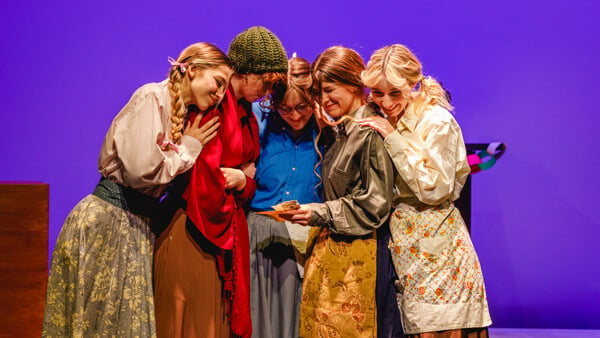
Quinnipiac Theater is the exciting home to new musicals, world-premiere student-written and student-directed plays, theater for the community and so much more.

Learn more about Quinnipiac Theater

NEURON Conference

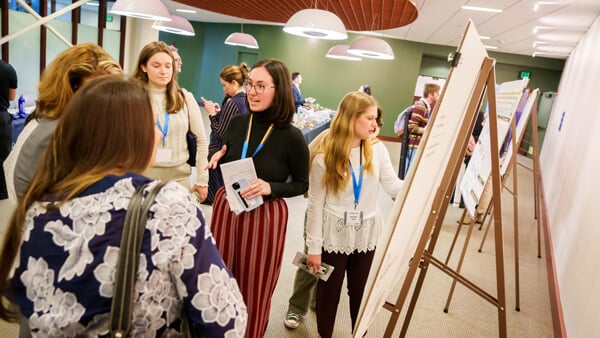
NEURON, or the Northeast Under/graduate Research Organization for Neuroscience, is an organization that provides an open forum for undergraduates and graduates to discuss their research and enhance collaboration among neuroscience educators.

Learn more about NEURON

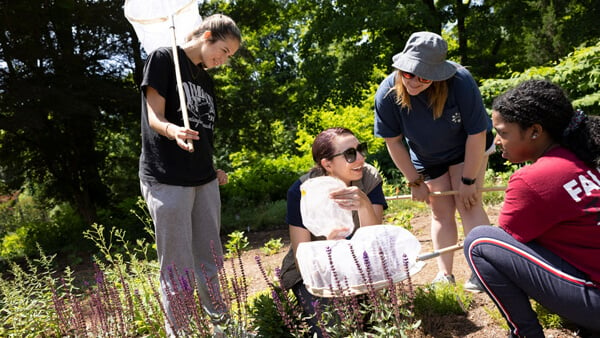
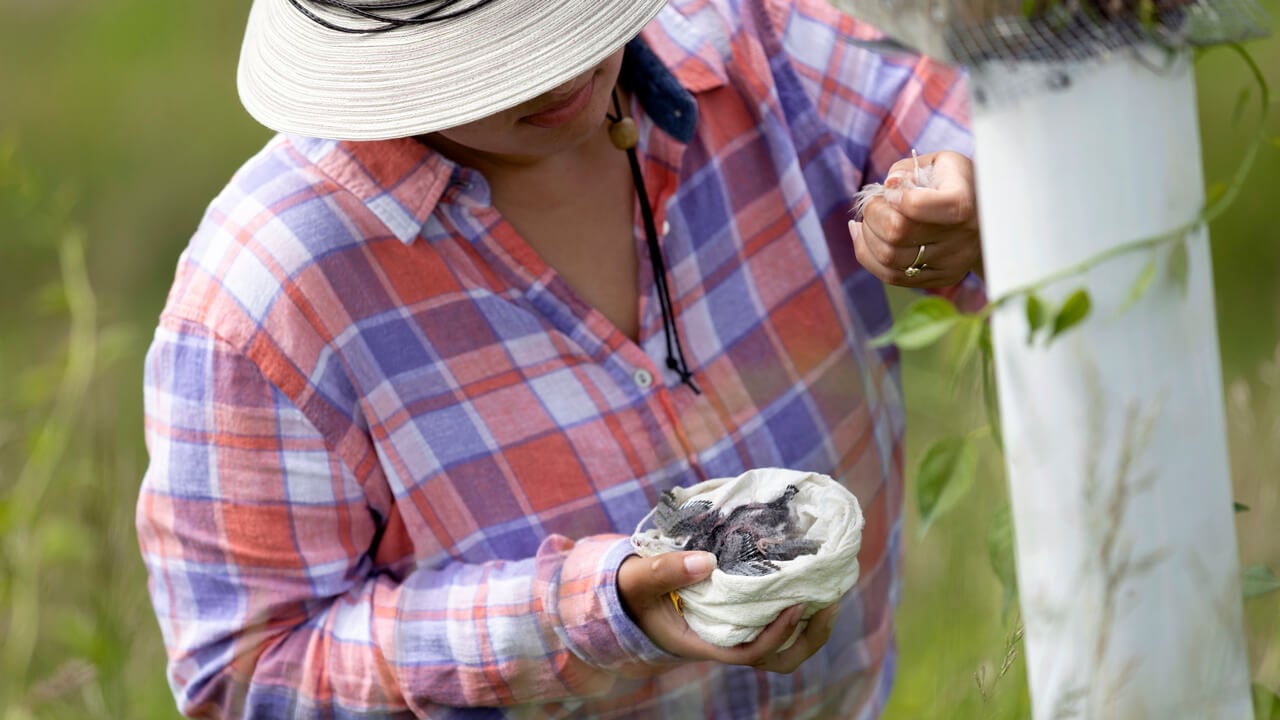
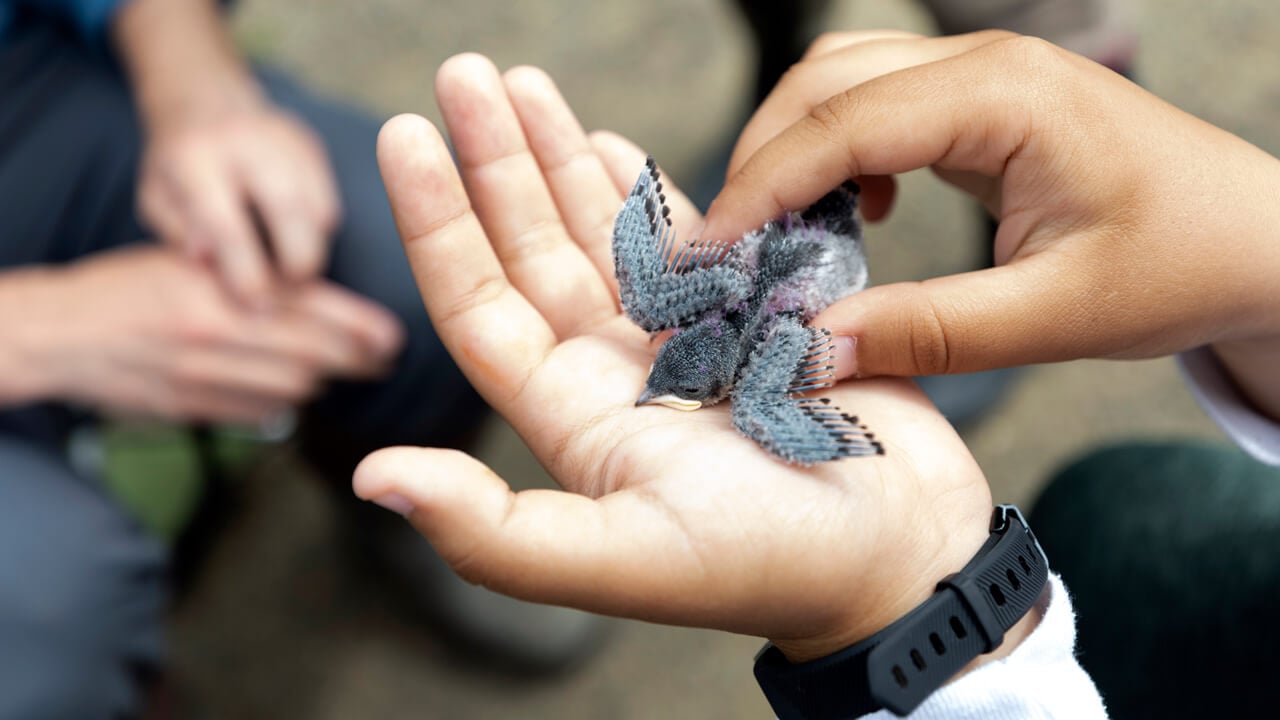
Pollinator Garden

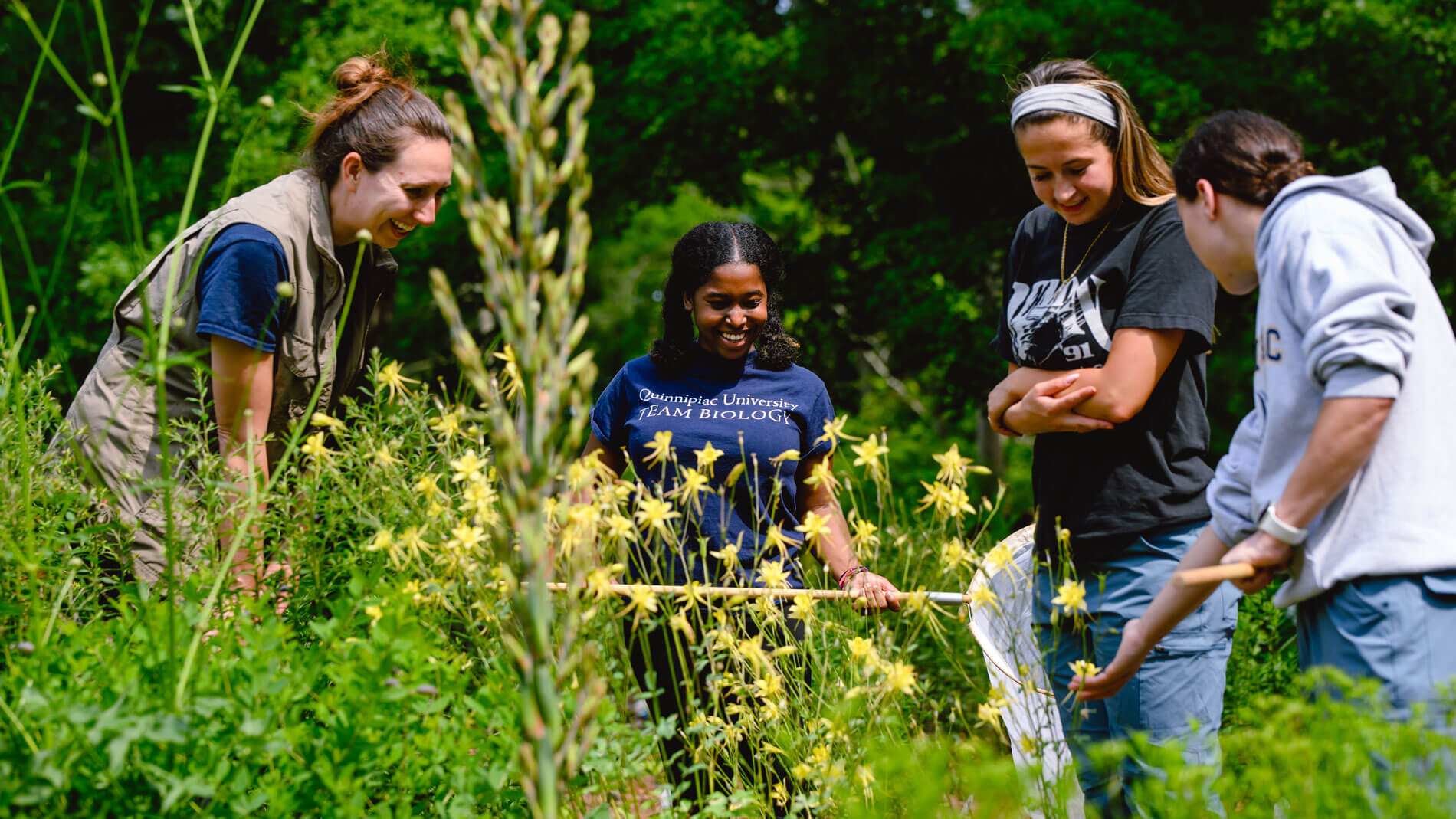
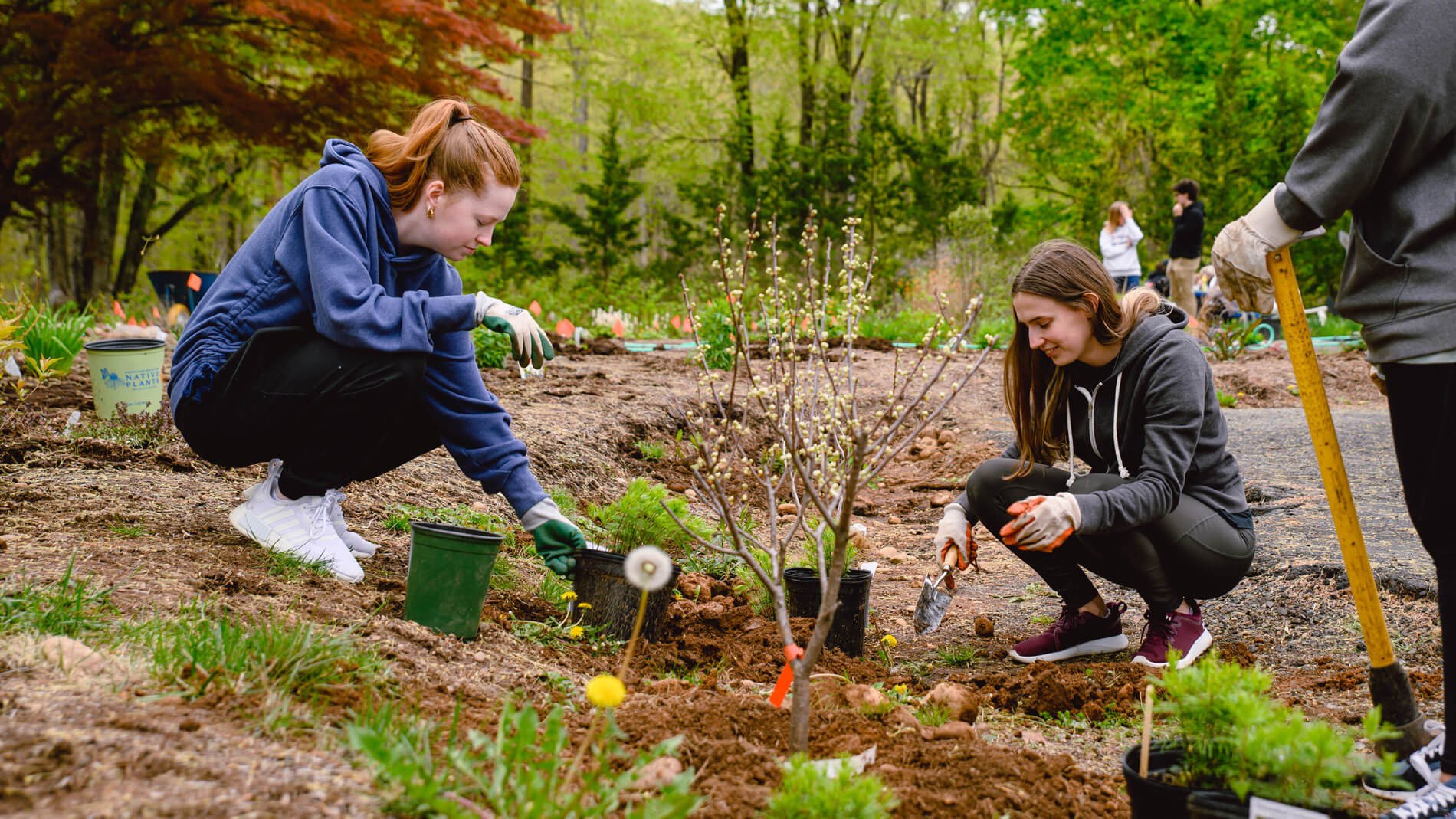
The Department of Biological Sciences uses the pollinator garden as a center of research. Independent and interdisciplinary research projects study the richness and abundance of local pollinators and their relation to the plant species in the garden. 

Learn more about our Pollinator Garden

Recent Student Projects

Course projects enable students to learn through a combination of experiences. By applying knowledge and skills from different disciplines, students are able to challenge themselves through learning in a hands-on and creative way. Through self-driven or team projects, students are able to develop critical thinking and problem-solving skills.

Learn more about course projects

Current Faculty Research Topics

Faculty in the College of Arts & Sciences are devoted educators who set a precedent for the students they teach and mentor. Passionate and driven scientists, authors, economists and historians, they epitomize the Quinnipiac mission of turning passion into action.

  • Pat Boily: Comparative and integrative physiology; Energetics, metabolism, and thermoregulation; Individual physiological variability
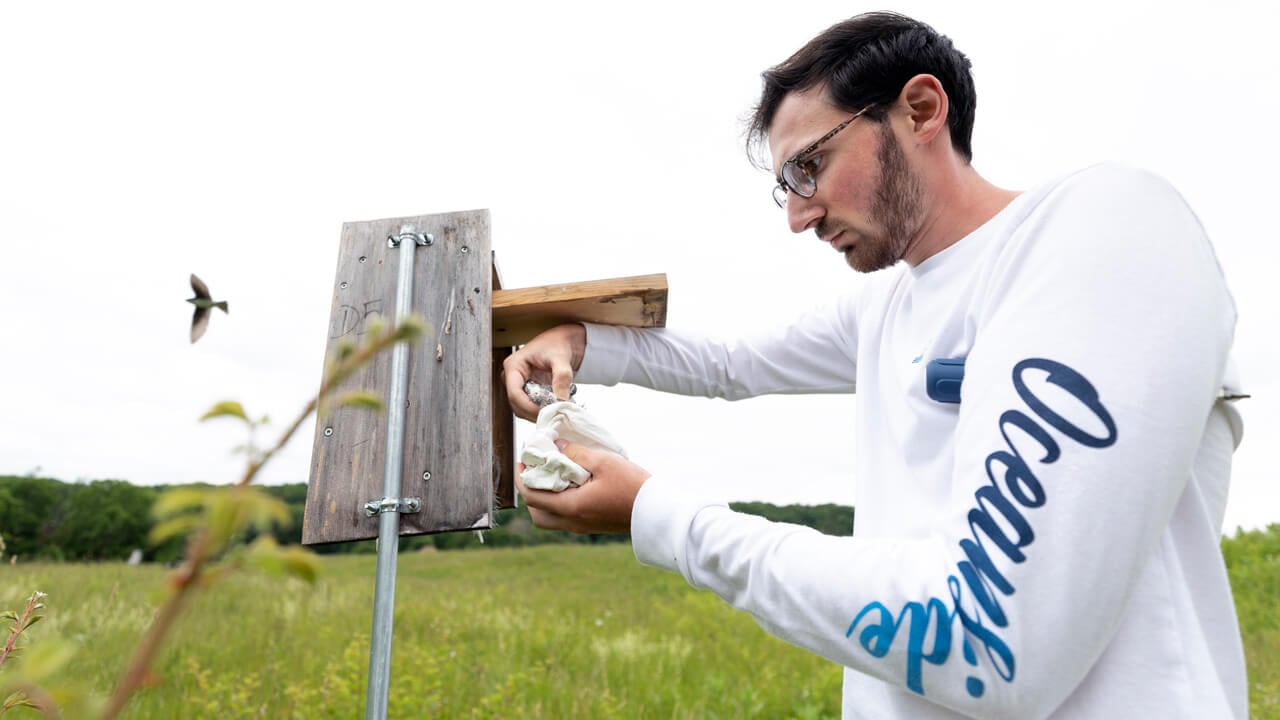
  • Scott Davies: Environmental physiology; Reproduction; Animal behavior; Urbanization
  • Alexandre de Lencastre: Aging; Diseases of Aging (Alzheimer's Disease, Parkinson's Disease); RNA; Biology; Model organisms; Neurodegenerative diseases
  • Caitlin Hanlon: Tissue migration in embryonic development; Genetic architecture of the tick salivary gland; Genetics pedagogy
  • Lisa Kaplan: Environmental Toxicology - The role of plasticizers and plastics in disruption of key animal behaviors and physiological processes
  • Sarah Lawson: Native pollinator health, nutrition and diversity; Social insects; Evolution of social behavior
  • Craig Magie: Developmental Biology - Cell movements and shape changes in the early embryo and how these mechanisms have evolved in animals
  • Courtney McGinnis: Molecular mechanisms of environmental toxins - Endocrine disrupting chemicals, PFAS, and environmental obesogens
  • Nils Pilotte: Molecular diagnostics and repetitive DNA within the context of neglected tropical disease and parasitic disease
  • Lise Thomas: Cell signaling - Proteins that interact with Mitogen-Activated Protein (MAP) kinases, either as substrates or by activating them
  • Trevor Tivey: Beneficial host/microbe interactions, molecular and cellular mechanisms that govern symbioses such as cnidarian-algal and plant root-mycorrhizal fungal symbiosis

  • Rajintha Bandaranayake: Structural biochemistry; Drug resistance in viral enzymes
  • Mark Collins: Analysis and quantification of Synthetic Dyes and Natural Pigments found in whole and processed foods
  • Robert Collins: Enzymology and structural biology of copper containing proteins 
  • Douglas Goodman: Atomic, molecular, and optical physics; Ion trapping of microparticles; Physics education
  • Nicole Granucci: Image Resolution using Wide Field Speckle Reduction techniques; Lucky Imaging; Urban Astronomy; Supermassive Blackhole Accretion disks; Quasar and Seyfert Galaxies; Physics education
  • Robert Hansen: Atmospheric Chemistry; Soil Chemistry; Chemical Instrumentation; Green Chemistry
  • Alex Hodges: Biophysics; Molecular motors and the actin cytoskeleton
  • Joanna Kinsey: Environmental chemistry; Biogeochemistry; Analytical chemistry
  • James Kirby: Redox Properties of Polyoxometalates (Inorganic Chemistry) in Aqueous Solution
  • Andri Smith: Chemistry Education Research; Scholarship of Teaching & Learning

  • Christopher Ball: International Macroeconomics
  • Aman Desai: Applied Microeconometrics; Labor Economics; Economics of Education; Income and Wealth Inequality
  • Mark Gius: Public Policy; Gun Control; Abortion
  • Donn Johnson: Valuation of Outdoor Recreation; Sports Economics
  • Jesse Kalinowski: Disparities in policing; Information Economics; Urban and Labor Economics

  • Patricia Comitini: Eighteenth-Century Philanthropy and Women's Writing; History of Novel; How to Read Fiction; Wordsworth's "Beggar" Poems; Archival Research & Recovery
  • Peter Cortland: Flaubert; Joyce; Narratology
  • Ruth Kaplan: Renaissance English literature - The history of education, history of reading, affect studies, poetry and poetics, and gender and sexuality.
  • Marissa McKinley: Feminist rhetorics; Medical rhetorics; Writing Across the Curriculum/Writing in the Disciplines; Writing Program Administration
  • Glenda Pritchett: Medieval literature; Popular culture, including films of Clint Eastwood and TV series Breaking Bad
  • Nicholas Robinette: Working-class literature; Literature and the environment; Comics
  • Valerie Smith: American Literature; Travel Writing (fiction and nonfiction)
  • Kim O'Neill: Reproductive justice; Intersectional analysis of literature and film

  • Christina Dickerson: Late 19th and Early 20th Century African American and Native American History
  • Jill Fehleison: Reformation Europe; Catholic/Protestant Relations; Caregiving in EMEurope; Religious Propaganda; Teaching the Reformation 
  • Christine Kinealy: Irish Famine; Abolition; Frederick Douglass; Green and Black Atlantic
  • Nita Prasad: British colonial India (intersection of gender and medicine/gender and law); History of Indian cinema (Bollywood); Nationalism in 19th-century Hindi-language fiction; Teaching India
  • David Valone: The history of 19th and 20th century science, technology, and medicine; Popular culture (especially music) in America history

  • Alan Bruce: Media effects upon crime perception, criminological history and theory
  • Sam Edwards: Environmental law; International environmental space law; Compensation for lands taken from indigenous groups; Valuation of cultural property; Law and technology
  • Ashley Marshall: Energy law and utility regulation; Energy affordability and vulnerable populations; Energy insecurity
  • Kimberly Przeszlowski: Evidence-based policing; Police technology; Public perceptions of police practices
  • Lori Sudderth: Policies/practices addressing violence against women; Survey research

  • Louis Deaett: Matrix theory and linear algebra - The intersection with discrete math and combinatorics
  • Mous-Abou Hamadou: Estimation and asymptotic theory for dependent data; Stochastic processes; Copula models; Markov chains
  • David Herscovici: Graph theory - Graph pebbling; Coding theory
  • Lisa Hollman: Teaching and Learning in Foundational Math Courses
  • Stanley Rothman: The study of baseball data using statistics
  • Jill Shahverdian: Mathematics Education Research; Scholarship of Teaching and Learning
  • James Soda, Jr.: Disease modeling; Geometric morphometrics; Statistical applications to ecology, evolution and medicine

  • Luis Arata: Literary and cultural studies of Latin America and Spain; Interdisciplinary studies in humanities and sciences
  • Aileen Dever: Rosalia de Castro; Jose Asuncion Silva; Ana Maria Matute; Language pedagogy; Translation
  • Filippo Naitana: Poetry and Literary Translation; Dante Studies; The Renaissance in a Mediterranean Context
  • Mary Paddock: Germanic philology, poetics, poetic linguistics; Medieval German literature and culture; German cabaret; Early 20thc German drama - Frank Wedekind; Lyric performance; Visual culture; German film and television; Pedagogy

  • Fodei Batty: Africa; Sierra Leone; Political Behavior; Political Violence; Human Rights; International Agreements; Development and Modernization
  • Genevieve Quinn: Partisan polarization in American politics; The politics of gun control
  • Jennifer Sacco: Women and American politics; Theories of representation
  • Candice Travis: Critical theory; American political thought; Nationalism; Race/ethnicity; Political violence; Extremism and radicalization; Conspiracy theories; Social/political movements
  • Scott McLean: American political thought; U.S. generational change in voting behavior; Public opinion; Role of swing states in U.S. presidential elections
  • Adam Roth: History and philosophy of rhetoric and medicine; Scholarship of teaching and learning; Future of higher education

  • Adrienne Betz: Neurobiology of Stress, Inflammation, and Affective Disorders
  • Carrie Bulger: Occupational health psychology, employee stress & well-being; Managing boundaries around work and personal life; Perceived time
  • Anne Eisbach: Diaper need and period poverty in local community 
  • Gary Giumetti: The impact of workplace stressors on employee health and performance
  • Joshua Haight: Neural mechanisms of motivation in healthy and diseased states
  • William Jellison: Contemporary Forms of Prejudice; LGBTQ+ Studies
  • Penny Leisring: Intimate Partner Violence; Digital Wellness; Problematic Smartphone Use and Mental Health
  • Paul LoCasto: Language; Decision making
  • Jeff Saerys-Foy: How people understand stories; Antiracist pedagogies
  • Michael Sheehan: Aggressive behavior; Belongingness among college students; Competitive and cooperative behavior; Adolescents' and young adults' interactions with parents and peers
  • Nathaniel Stafford: Stress neurobiology and physiology
  • Clorinda Velez: Family mental health; Diaper need, period poverty, and related social determinants of health; Stress and coping; Rumination; Perinatal depression
  • Angela Walker: Preventing unintentional plagiarism in undergraduate writing in psychology; The efficacy of peer review in research methods courses in psychology; Stereotypes and prejudice regarding those who share suicidal thoughts and those who attempt suicide 

  • Xi Chen: Demography; Social Inequality/Stratification; Spatial Analysis; Quantitative Research Methods; Chinese Ethnic Studies; Applications of Remote Sensing Data
  • Julia Giblin: Neolithic, Copper, & Bronze Age Europe; Mortuary & Isotope Analysis; Archaeology of the Quinnipiac River Valley; Community Based Archaeology  
  • Hillary Haldane: Oceania; Applied Medical Anthropology; Indigeneity and GBV; Higher Education; Football
  • Suzanne Hudd: Pegagogy - Writing and inclusivity
  • Keith Kerr: Social Theory; Justice Studies; Financial Empowerment; Prison Education; China Studies
  • Lauren Sardi: Human rights and genital cutting; Critical feminist methodology; Scholarship of teaching and learning; Bodies/embodiment; Masculinities; Sexualities
  • Catherine Solomon: Work/family management; Gender and family life
  • Jaime Ullinger: Bioarchaeology; Dental anthropology; Use of digital imaging in archaeology and biological anthropology; Biodistance; Paleopathology
  • Grace Yukich: Religion; Social movements; Race; Immigration; Culture

  • Elena Bertozzi: Design and development of games for health
  • Abigail Copeland: Producing/devising new works; Scenic design
  • Kevin Daly: Playwriting
  • Gregory Garvey: Games for learning/simulations; Interactive & Generative Art; AI & Art; LLMs; Synthetic; Virtual Humans
  • Stephen Henderson: Drawing, painting, watercolor, collage, etc.; Landscapes, still-life, abstractions, etc.
  • Rachael Lansang: Music history; Ethnomusicology; Voice studies
  • Lauren Reed: J.S. Bach; Alexander Scriabin
  • George Sprengelmeyer: Irish Music; Brazilian Guitar Composers and the intersection of Zen Buddhism and Classical music.
  • Jonah Warren: Experimental interaction design in games; Games for art-making; Games for learning
  • Jack Wesson: Technical Art; Virtual Reality; Unconventional Data Visualization; Experiential Design

Faculty Spotlight

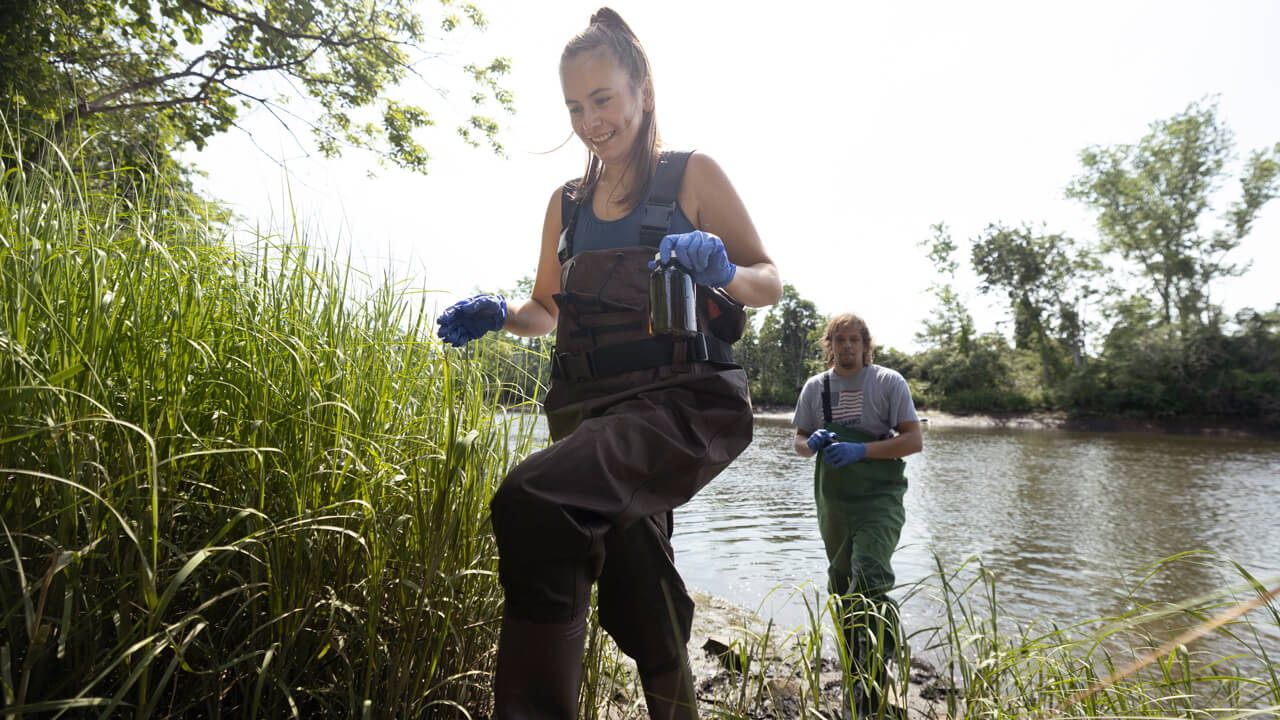
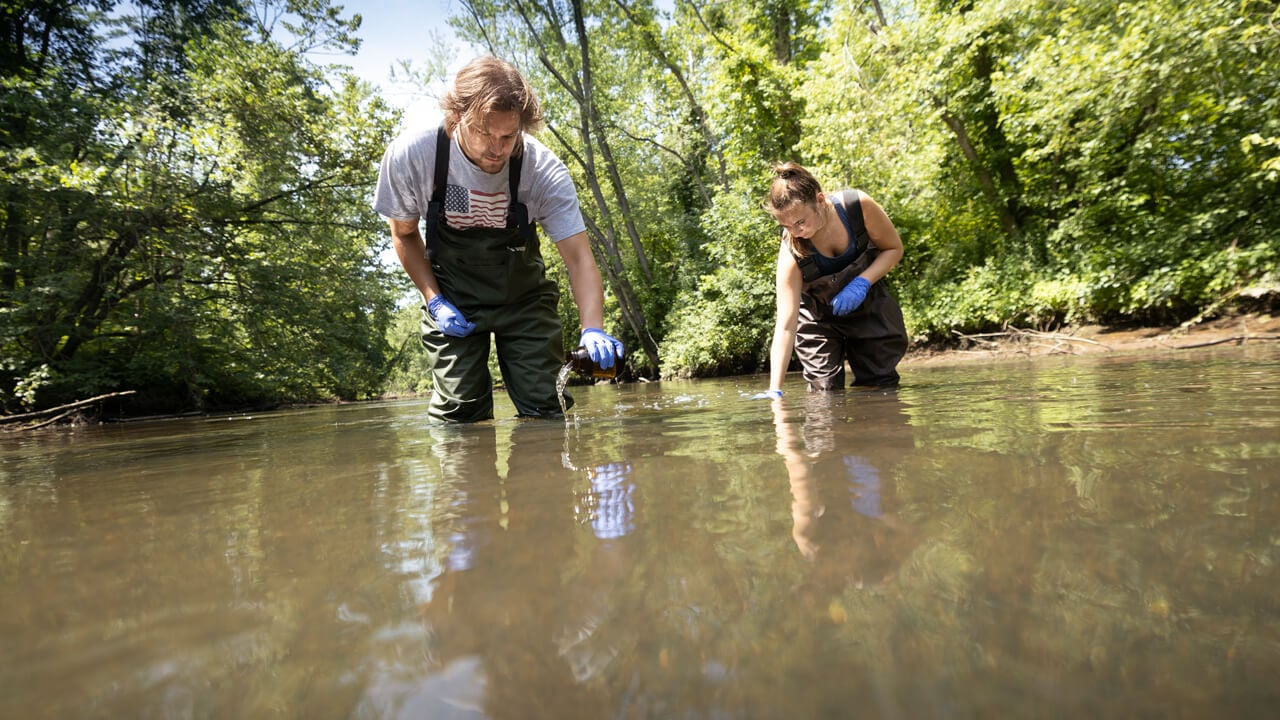
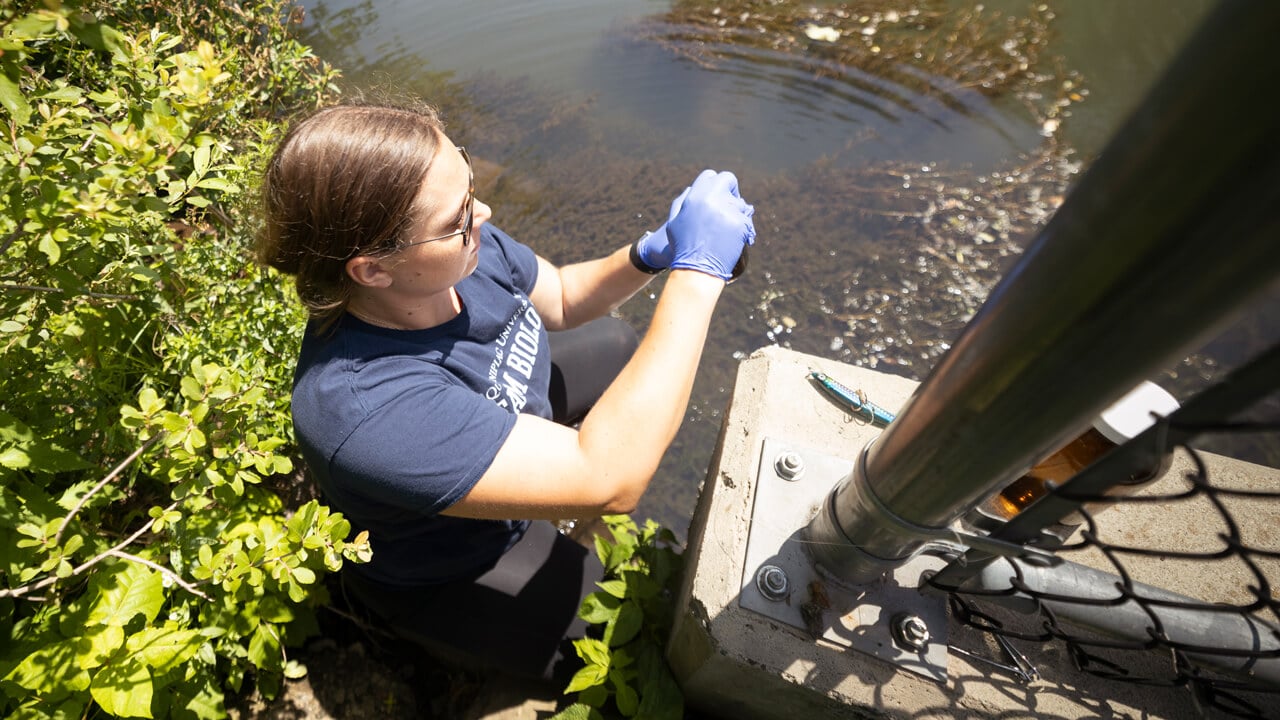
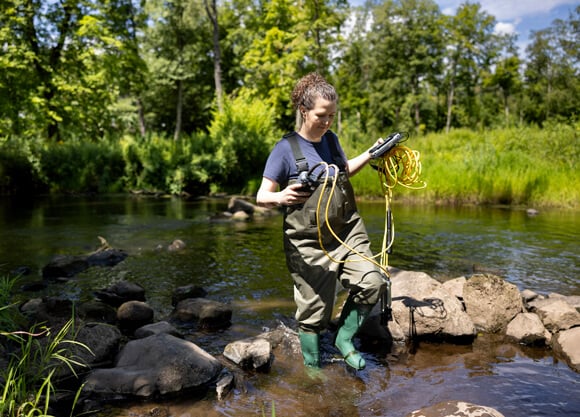
Joanna Kinsey stands in the river
Professor awarded $16,000 grant to investigate pollution in the Quinnipiac River

June 21, 2024

Quinnipiac professor Joanna Kinsey has received a grant totaling $16,000 from the Community Foundation for Greater New Haven.
Read More

Showcase of faculty scholarship

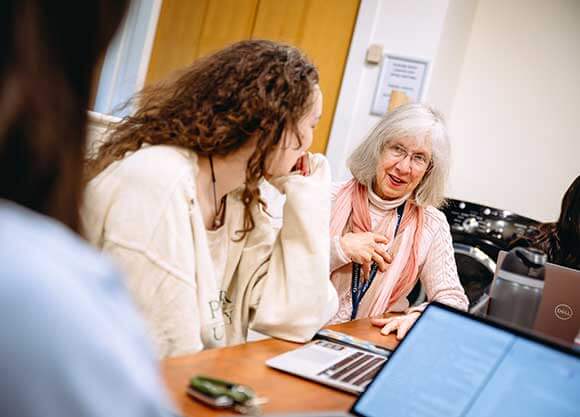
Professor Martha Sanders conducts research with students.
Library exhibit highlights the rise of faculty scholarship
The Arnold Bernhard Library's recent showcase of faculty scholarship and publications is more than a celebration of individual achievements — it reflects a broader university trend: the notable rise in faculty-authored work across disciplines.
Read More

Contact the College of Arts & Sciences

We're always here to help provide additional information and answer any questions you may have.

Keep up to date with the latest information about the College of Arts & Sciences.

Quinnipiac Today Opens in a new tab or window. Events Calendar Opens in a new tab or window.