




Opened last year on the Mount Carmel Campus' South Quad, The Grove’s modern, energy efficient and eco-friendly facility continues Quinnipiac’s growing legacy of LEED-certified campus projects. In 2023, the Recreation and Wellness Center was also designated a LEED Gold Building.
The high-level green building certification signifies The Grove’s advanced performance in sustainability, with benefits including reduced energy and water usage, better indoor environmental quality, and lower waste, said Salvatore Filardi, vice president for facilities and capital planning.
Filardi said Quinnipiac is dedicated to supporting environmental sustainability across facilities, as identified in the university’s Strategic Plan.
“Earning LEED Gold certification further validates the Strategic Plan and the work of the university in its commitment to sustainability,” Filardi said.
Elizabeth Bender, director of capital planning and construction, noted pursuing LEED Gold certification requires going beyond basic regulatory compliance. It involves investing additional time, money, and coordination into design, engineering, and construction practices that reduce environmental impact.
“The extra effort involved — such as incorporating high-efficiency building systems, responsibly sourced materials, construction waste-reduction strategies, enhanced indoor air quality strategies, and long-term performance monitoring — signals to the Quinnipiac community that sustainability is not an afterthought but a core institutional value,” Bender said.
Pursuing LEED Gold designation also represents Quinnipiac’s commitment to contributing to a beneficial, environmentally sound future.
“By choosing a higher level of certification, the university demonstrates that it is willing to make deliberate, sometimes costlier decisions in the present to support environmental stewardship, enhance campus health, and operational efficiency in the future,” Bender said. “These investments align with broader sustainability initiatives like the STARS (the Sustainability Tracking, Assessment & Rating System), creating a culture of sustainability we can be proud of.”
As a program of the Association for the Advancement of Sustainability in Higher Education, the STARS measures and encourages sustainability in all aspects of higher education.
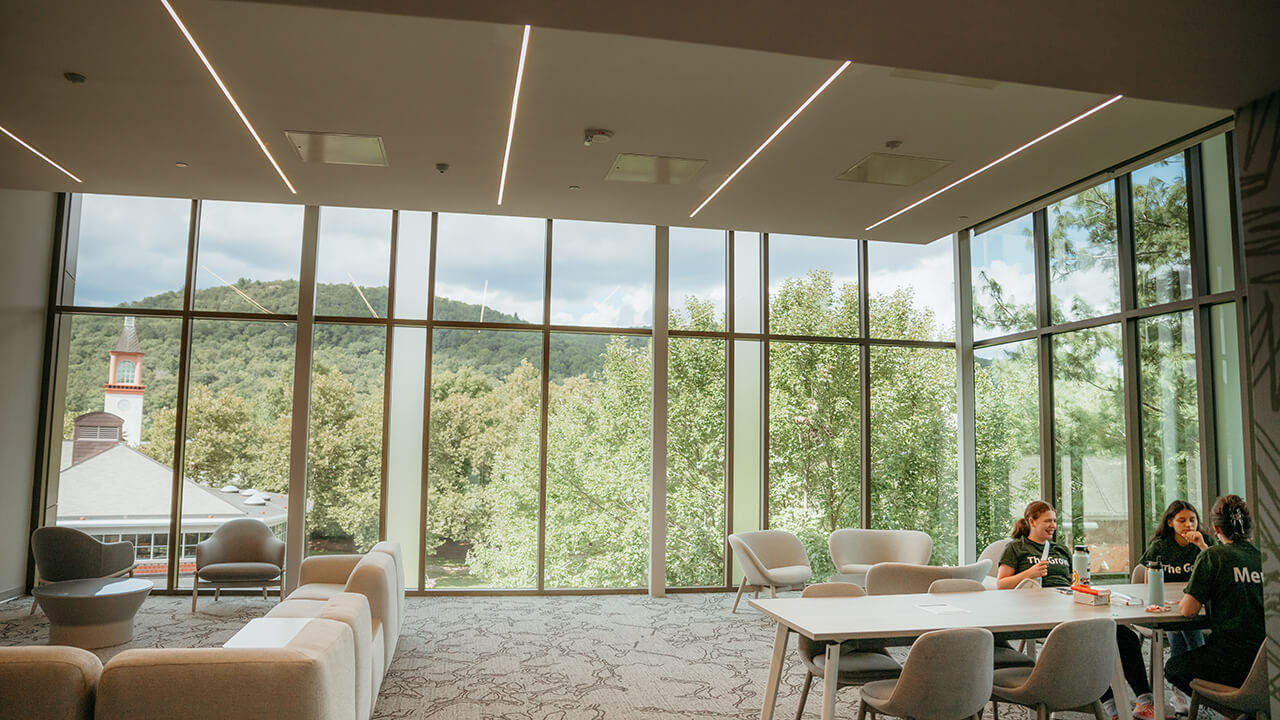
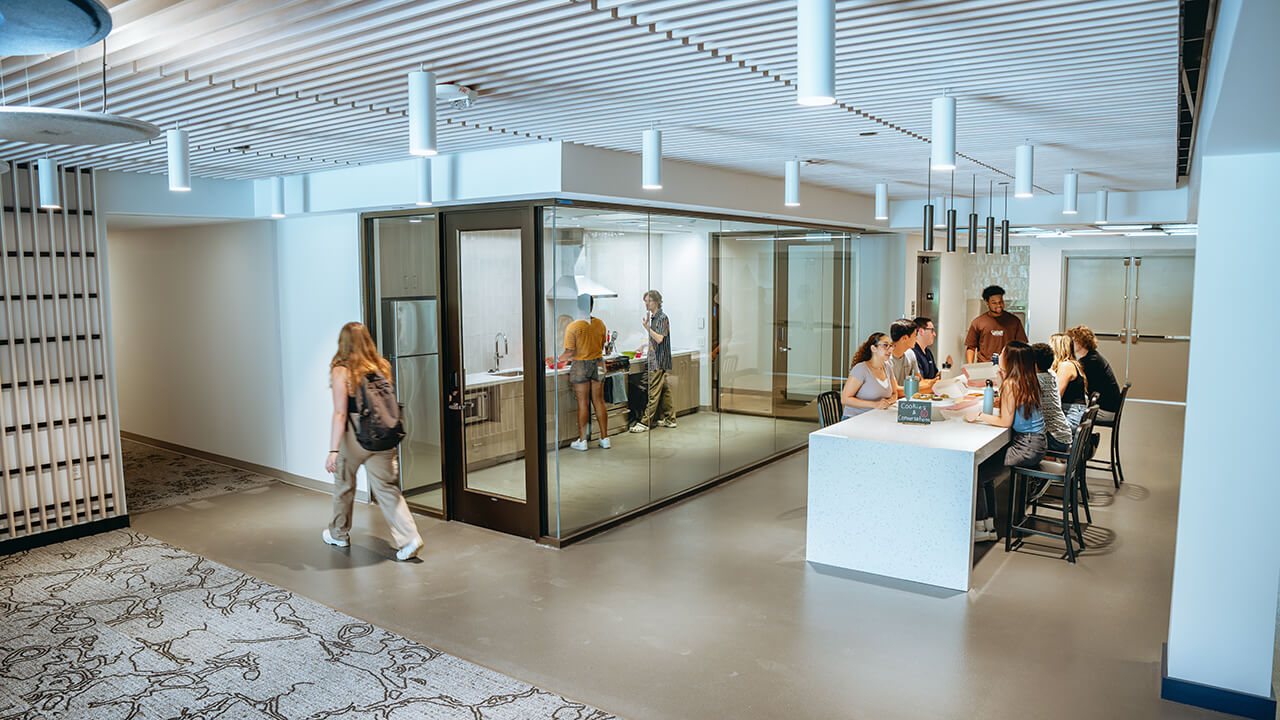
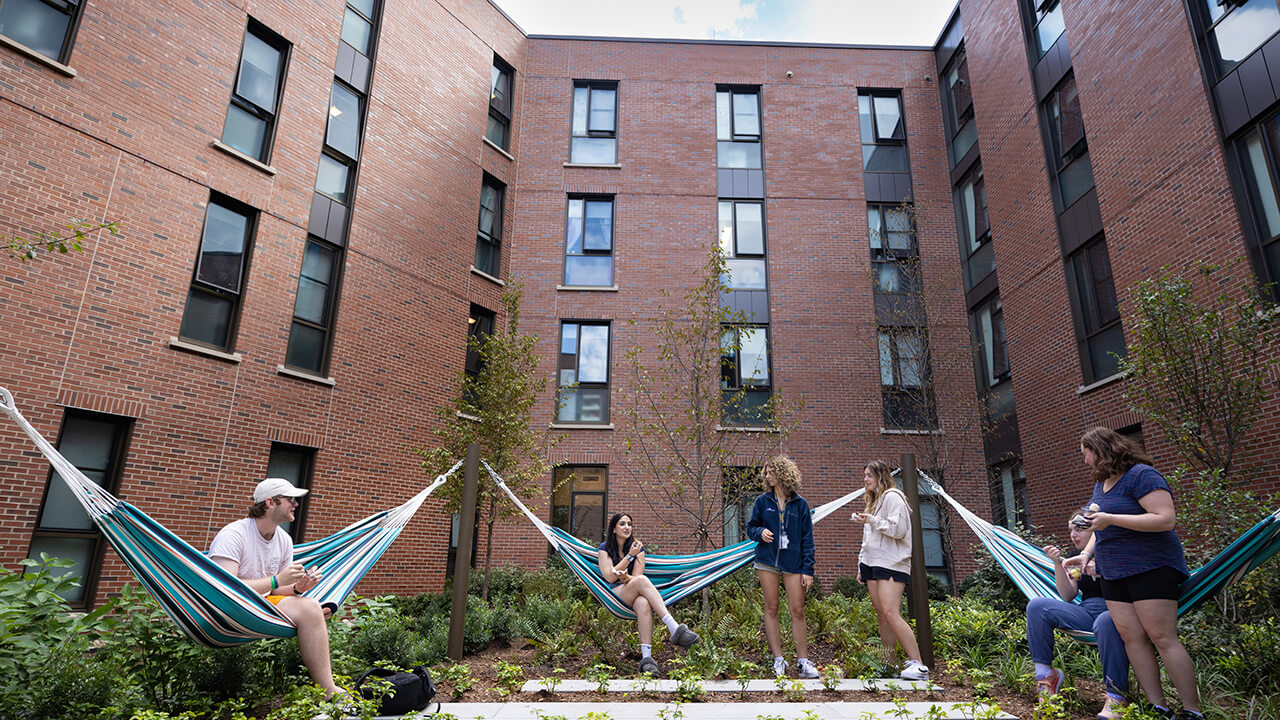
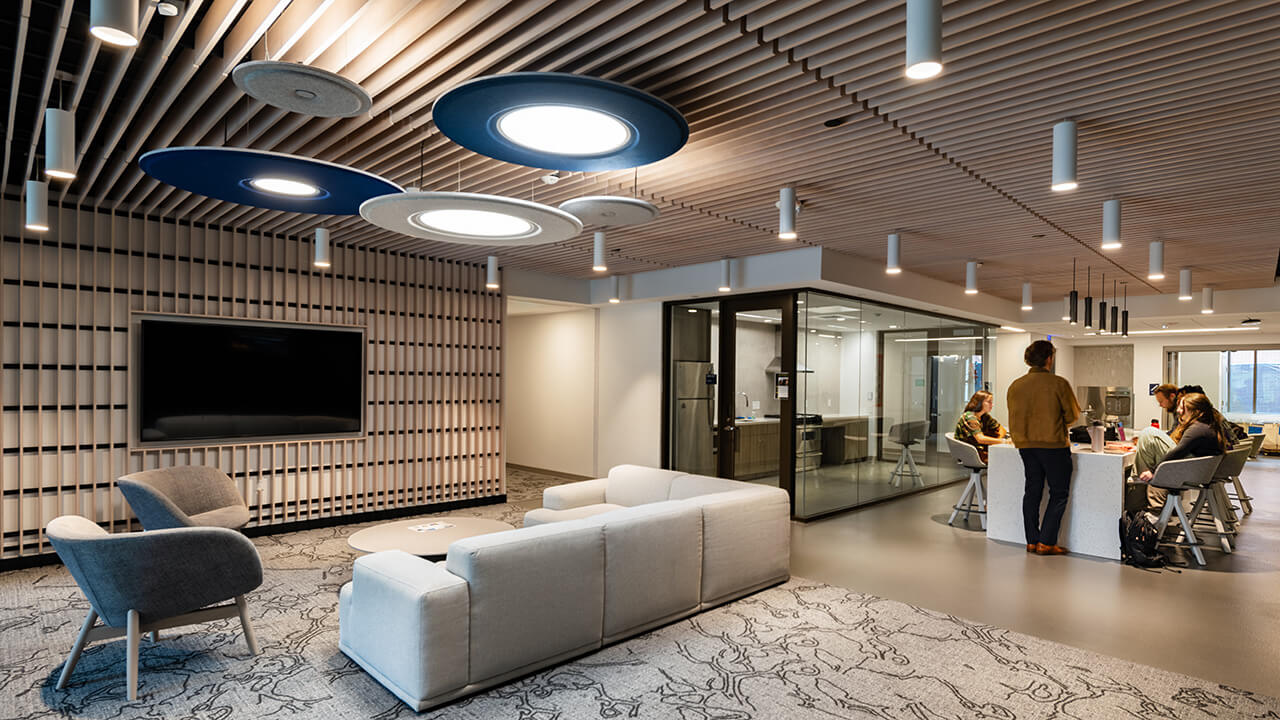
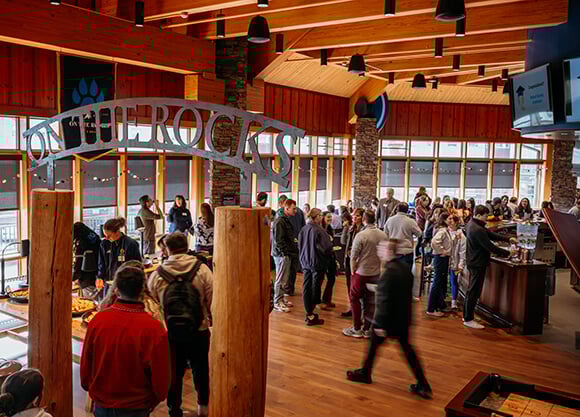
Many elements involved in the construction of The Grove signal the environmental commitment that’s built into this unique residence hall. Designed to promote opportunities for interdisciplinary engagement, first-year student residents are mentored by upper class student residents as part of The Grove’s Immersive Curricular Experience. The building design includes group gathering spaces, lounges and an outdoor courtyard to help build community.
“One particularly easy to observe LEED element is the landscape with the native plantings and rain garden in the courtyard,” Bender said. “The other LEED qualifying details about the building are a bit harder to notice but significantly impact the overall environmental stewardship of the building.”
The Grove’s advance lighting controls promote energy efficiency with daylight sensors which adjust light intensity automatically depending on the amount of sun coming into a space. Use of low-emitting materials throughout the building, from adhesives to paints and carpets to ceiling tiles, enhance indoor air quality strategies.
By installing water-saving fixtures and faucets, The Grove achieved over a 30% reduction in water use. During building construction, implementation of effective construction waste reduction strategies resulted in recycling 92% of all construction waste such as metals, wood, masonry, brick, and more.
Neighboring The Grove on the South Quad are Quinnipiac’s two newest academic buildings, The SITE and the new School of Business. Sustainably designed and constructed, both new academic buildings became operational in the fall of 2025.
“All of the new facilities are facilities that the university can be very, very proud of,” Filardi said.
In Focus



In this Article
Read This Next


















Stay in the Loop
Quinnipiac Today is your source for what's happening throughout #BobcatNation. Sign up for our weekly email newsletter to be among the first to know about news, events and members of our Bobcat family who are making a positive difference in our world.
Sign Up Now