



Professor of Anthropology’s Bronze Age study published in the American Journal of Biological Anthropology
April 02, 2026
April 02, 2026
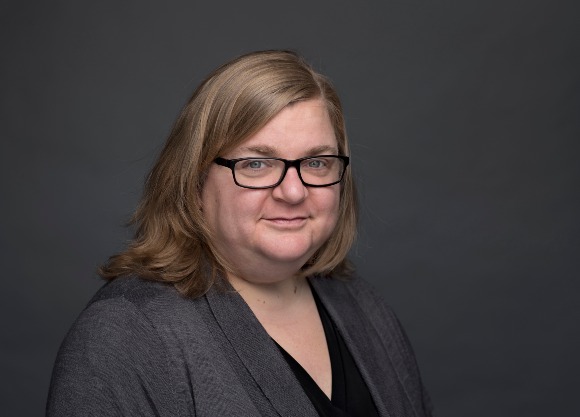
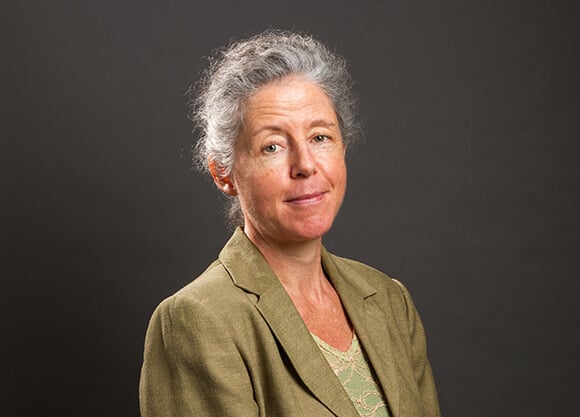
The idea for this study in the United Arab Emirates began 10 years ago, but Ullinger’s time researching bioarcheology in the Middle East spans more than two decades.
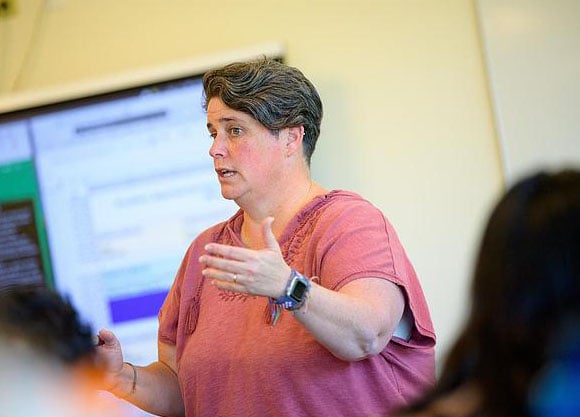
“I have been doing bioarcheology research in the Middle East since 2000,” Ullinger said. “In 2016, a colleague and I began to discuss the possibility of a new research project in the UAE that would involve undergraduate students. Her specialty in our field is stable isotope work and mine is teeth (dental anthropology). This project combined both of our expertise to look at how people moved around on the landscape during this period of social and environmental change.”
Being a professor at Quinnipiac has had a significant impact on her research, she said.
“I have worked with amazing and eager undergraduate students, and they can drive the questions that I look at,” said Ullinger.
The research for her recent paper on the Bronze Age took place in Ras Al Khaimah, which is the northernmost emirate in the UAE. Ras Al Khaimah’s climate is compelling to Ullinger.
“It has been interesting to look at the effects of climate change on human health around 4,000 years ago in that area,” said Ullinger. “Ras Al Khaimah has been buffered from some of the changes experienced elsewhere on the peninsula because of their access to aquifers that continued to produce water even during exceptionally dry periods. This seems to have allowed them to continue living in this area when other areas were abandoned, and so far, it looks like it also offered some health benefits. They seem to have less evidence of chronic disease, for example.”
Ullinger expressed gratitude for the welcoming nature of Ras Al Khaimah.
“The country has a long tradition of hospitality and welcoming others, which is felt when working there,” Ullinger said. “The RAK Department of Antiquities and Museums has been very supportive of our research.”
Ullinger’s work has yielded impressive results.
She was awarded a faculty research grant to support her study from the Al Qasimi Foundation in Ras Al Khaimah. She has also attended various international conferences like in 2023 to the inaugural Al Ula World Archaeology Conference and secured an invite to join a research cluster within the German Archaeological Institute.
“The opportunity to collaborate with people from across the globe has been an incredible experience,” said Ullinger. “It is exciting when I can introduce Quinnipiac students to this as well."








Quinnipiac Today is your source for what's happening throughout #BobcatNation. Sign up for our weekly email newsletter to be among the first to know about news, events and members of our Bobcat family who are making a positive difference in our world.
Sign Up Now